As a small business owner, you’re likely juggling multiple responsibilities at once. One of those key tasks is managing your sales database, which can be a daunting task especially when you’re relying on spreadsheets. While spreadsheets can be helpful tools, they are prone to human error and can quickly become unmanageable as your business grows. Plus, the time spent manually entering and updating data can be better used elsewhere.
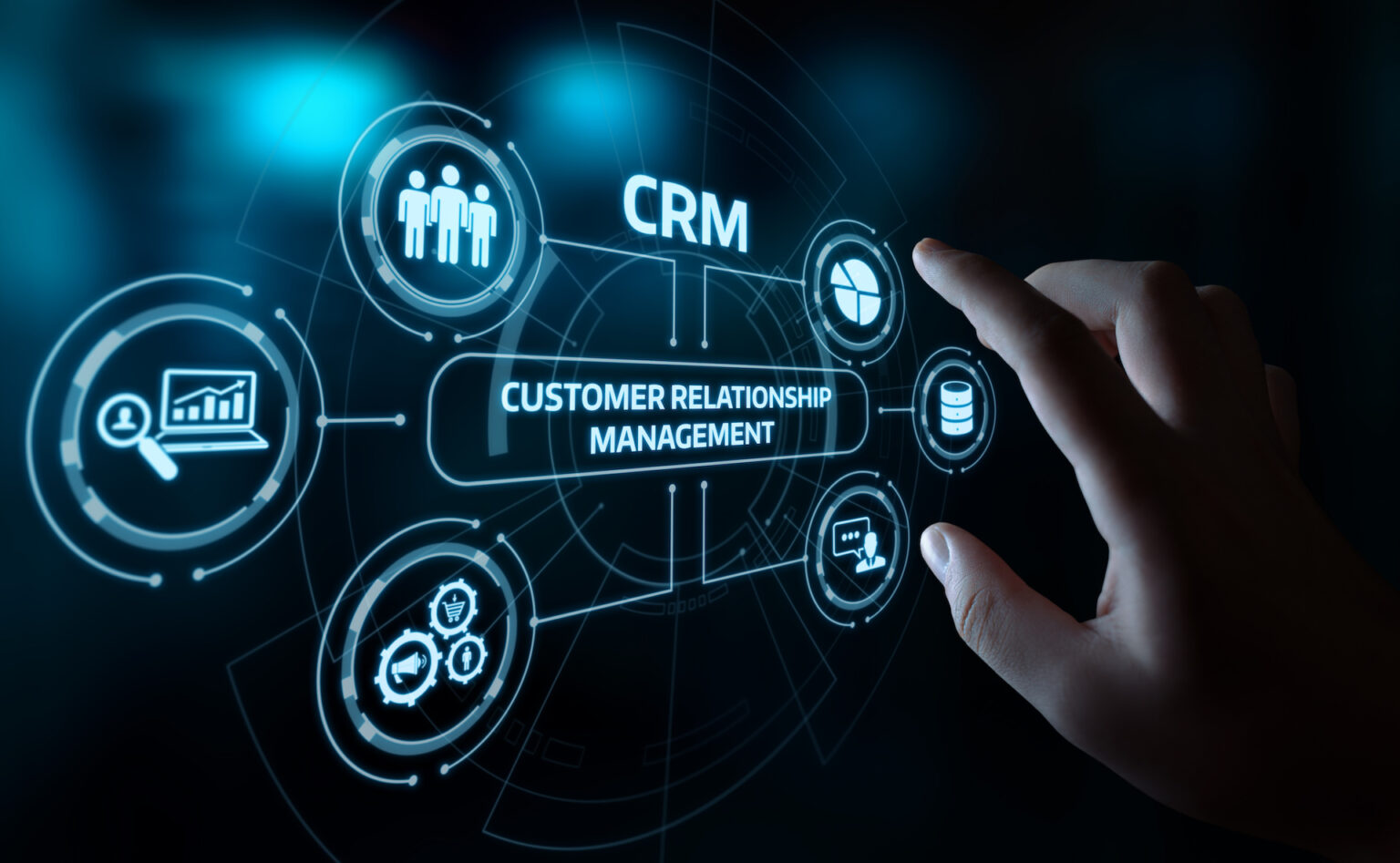
That’s where a Customer Relationship Management (CRM) system comes in.
What is a CRM?
Simply put, a CRM is a software that helps businesses manage their interactions with current and potential customers. It goes beyond being just a database – it’s a comprehensive tool that can help you with contact management, marketing, and lead tracking.
Contact Management
Imagine having all your customer information in one place, easily accessible, and updated in real-time. That’s what a CRM does for contact management. No more sifting through endless spreadsheets to find a customer’s phone number or purchase history. It’s all there, at your fingertips.
Marketing
With a CRM, you can segment your customers based on various criteria like purchase history, demographics, or behavior. This allows you to create targeted marketing campaigns that resonate with each group, improving engagement and ultimately, sales.
Lead Tracking
A CRM can track your leads from the moment they first interact with your business until they become a customer. This allows you to understand which marketing efforts are working, and which ones need improvement.
All these features can significantly contribute to improving your sales, boosting customer retention, and promoting overall business growth. And don’t worry about the technical side of things – modern CRMs are designed to be user-friendly and intuitive, even for those who aren’t tech-savvy.
CRM vs Spreadsheets: The Final Verdict
While spreadsheets can be a cost-effective solution initially, the benefits of a CRM system far outweigh the cost in the long run.
A CRM system streamlines your information and data access, making it easier for you and your team to find and update customer details. It also allows you to automate many sales and marketing processes, freeing up valuable time that you can dedicate to other aspects of your business.
Perhaps most importantly, a CRM fosters strong customer relationships. By understanding your customers better, you can provide personalised experiences, which can increase loyalty and satisfaction.
There are plenty of affordable CRM solutions tailored for small businesses, such as Zoho CRM, HubSpot CRM, and Freshsales. These platforms offer a range of features suitable for different business needs. However, it’s important to do your own research and find the solution that best fits your business.
investing in a CRM system is a strategic decision that can propel your small business towards success. So, why not say goodbye to spreadsheets and hello to the power of CRM? Your customers – and your bottom line – will thank you.